

History
chaucer barn · north norfolk

Project 1427: The Document That Changed Common Law
How a Kitchen Discussion Led to Harvard
Project 1427 didn’t start in an academic office; it started over a glass of wine in a kitchen over the Easter weekend. What began as a casual discussion between two friends with a shared passion for local history quickly turned into a deep dive down a dozen historical rabbit holes. Driven by the medieval heritage of Gresham and the close connection of the Chaucer Barn estate to the family line of poet Geoffrey Chaucer, they began hunting for the exact moment this land changed hands 600 years ago.
Just three weeks ago, the search led them across the Atlantic to an astonishing destination. There they discovered that the original 15th-century contract - HLS Deeds 349 - is held by none other than the Harvard Law School Library in Massachusetts, where it remains one of their most fiercely protected and coveted treasure documents. When they looked closely at the manuscript and saw the date, a moment of completely stunned silence fell. They realised we had uncovered a monumental piece of Norfolk history on the cusp of its exact 600th anniversary.
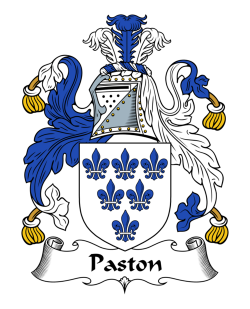
Bypassing the Feudal System: A Legal Revolution
To look at the parchment, you might just see medieval script, but this contract represents a profound legal revolution. Set against the rigid, immovable backdrop of the feudal system which had systematically restricted power, wealth, and landownership exclusively to royalty, nobility, and the Church, this document was one that broke the mould.
It captures the exact moment two self-made families, the Chaucer’s and the Pastons, deployed a sophisticated legal mechanism called a "feoffment to use" to bypass these feudal restrictions. Both families had successfully risen out of serfdom through sheer brilliance and relentless hard work. By executing this transfer, they helped to establish the foundational legal framework that allowed ordinary, self-made men to securely buy, own, and sell property for the first time in British history. This single contract helped pave the way for the property rights we take for granted today.
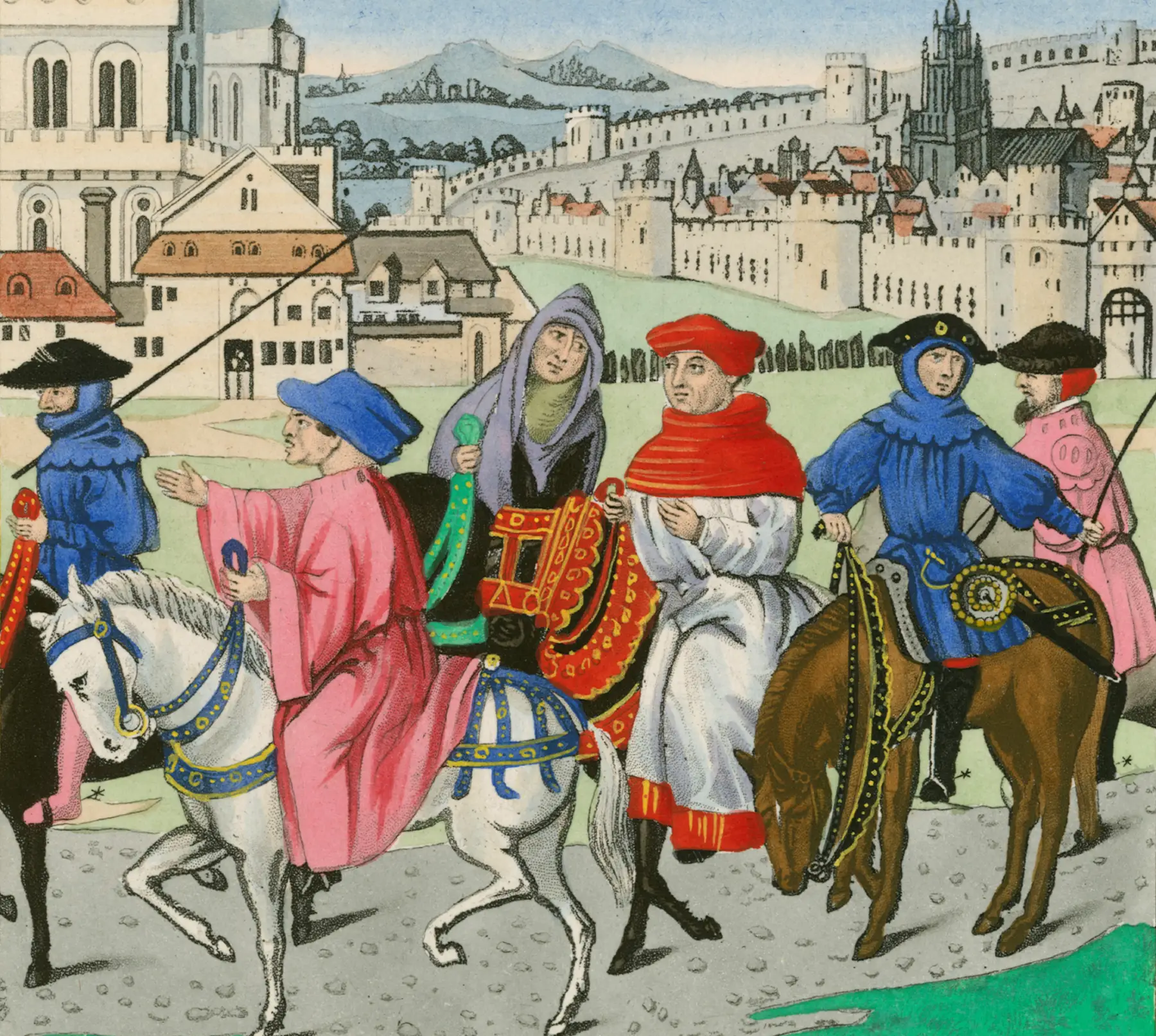
- An illustration from Canterbury tales, Geoffrey Chaucer leaving the fortified town of Canterbury.
A Star-Studded Medieval Network:
Beyond its massive impact on common law, the deed reveals an extraordinary historical cast and a literal fingerprint of literary history:
- The Chaucer Seal: The manuscript still preserves Thomas Chaucer’s personal wax seal, offering a direct, physical link back to his father, Geoffrey Chaucer, the father of English literature.
- Iconic Figures: The transaction directly involved the legendary Norfolk knight Sir John Fastolf (the real-life historical inspiration for Shakespeare’s Falstaff) and John, Duke of Bedford (the brother of King Henry V and Regent of France).
A Word from the Current Custodian of Chaucer Barn
"To discover that a document of such global legal and literary consequence is tied directly to the very land that I am proud to call my home is absolutely spellbinding. I had always been fascinated by the history of the Paston Letters, by the stories of the siege of Gresham Castle, and the legacy of Chaucer Barn. Understanding how the determination and brilliance of these individuals to rise through the ranks fundamentally changed life for the generations that followed highlights the profound importance of this text. We are thrilled that Harvard is collaborating with us to bring this heritage back home to Norfolk, and we look forward to welcoming support from local historians, schools, and the wider community as we build this celebration." — James Mermagen, Custodian of Chaucer Barn
The Anniversary Celebration: Early 2027
The Harvard Law School Library has reacted with immense warmth and enthusiasm to the discovery. They have generously produced and shared high-resolution copies of the 1427 deed, so this vital piece of heritage is coming back to its original Norfolk home as the centrepiece of our celebrations in early 2027.
We are currently approaching Harvard's leading medieval scholars and our own local historical experts to shape a series of winter symposiums, debates, and community events. Rather than focusing on dry dates, our events will explore the living legacy of this document: how a quiet corner of Norfolk became the testing ground for legal freedoms that reshaped Western society and empowered the common man.
Get Involved: Schools, Historians & The Community
One of the primary goals for Project 1427 is to make this discovery accessible to everyone. The team warmly welcome support from regional historians, local experts, and schools who want to help bring this story to life. The aim is to build an educational framework that includes local Norfolk schools, giving children a vivid, tangible understanding of the ground-breaking, self-made figures who once walked and lived in the very same fields and lanes they call home today.
This webpage will serve as the central digital hub for Project 1427. As the plans continue to evolve, the 1427 team will be posting regular updates, event schedules, and speaker announcements right here.
Join the Project, Join the Team
At the moment, the 1427 team is James Mermagen and Caroline Teunissen. Whether you are a historian, an educator, a legal professional, or simply a history lover, or have some time and skills and would like to join our team, we would love to hear from you. Please use the form below to register your interest, sign up for our updates, and find out how you can get involved in our upcoming local activities.
Fill in the contact form below and we will be in touch.
For direct enquiries regarding sponsorship opportunities or to contribute historical insights to the project framework, please contact Caroline Teunissen, Project 1427 Coordinator, at: caroline@chaucerbarn.com